
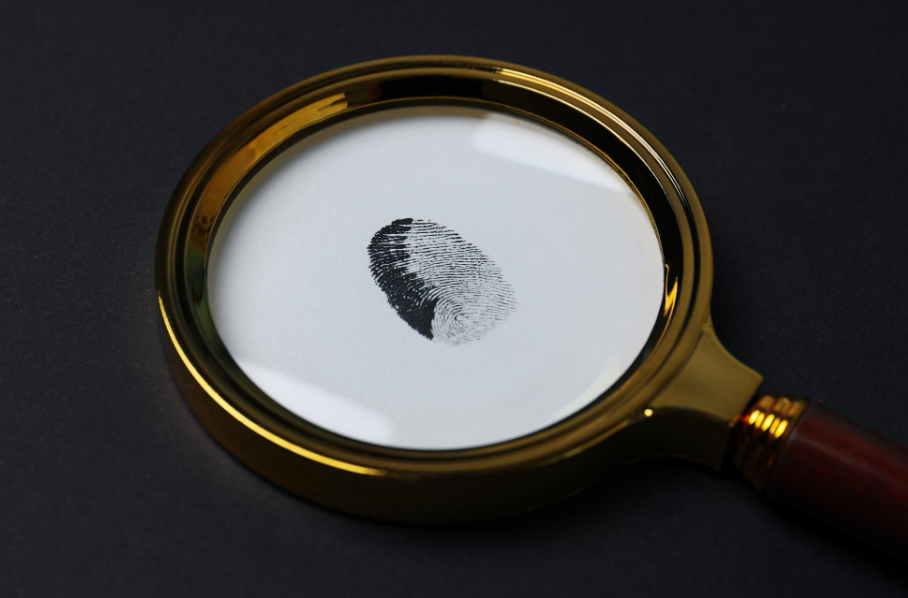
Identity theft happens when someone uses your personal or financial information without your permission. A thief might misuse your name, address, bank details, credit card numbers, Social Security number, or medical insurance information to open accounts, make purchases, seek medical care, collect a tax refund, get a job, or even use your identity after an arrest.
One of the best defenses is learning the warning signs early. If bills stop arriving, unfamiliar charges appear, bank withdrawals do not match your activity, or accounts show up on your credit reports that you do not recognize, those can all point to identity theft. Reviewing bills, checking account statements, and reading your credit reports regularly can help you catch problems before they grow.
A strong prevention step is placing a credit freeze on your credit reports. A freeze can block new credit accounts from being opened in your name, and it can be placed or lifted at no cost. If you suspect fraud, you can also place an initial fraud alert, which tells businesses to take extra steps to verify your identity before approving new credit. An initial fraud alert is free and generally lasts one year.
Protecting paper records still matters. Keep documents containing financial or personal information in a secure place, and destroy them carefully before throwing them away. Shredding is best, but obscuring account details can also help if a shredder is not available. It is also smart to retrieve mail promptly so sensitive documents do not sit exposed in a mailbox.
Be cautious when anyone asks for your Social Security number. Some institutions legitimately need it, but many requests are not necessary. Before sharing it, ask why it is needed, how it will be protected, whether another identifier can be used instead, or whether only the last four digits are sufficient. If the explanation feels weak or vague, it is safer not to provide it.
Online security habits are just as important. Use strong passwords, enable two-factor or multi-factor authentication when available, and avoid sharing personal information in response to unexpected calls, texts, or emails. Even if a message sounds urgent or official, unsolicited requests for sensitive data should be treated with suspicion.
Some people also consider paid identity protection services. Credit monitoring may alert you to new loans, credit inquiries, late-payment reports, bankruptcies, lawsuits, credit limit changes, or updates to personal details on your credit file. But it will not necessarily tell you if someone drains your bank account or files a fraudulent tax return in your name.
Identity monitoring services may look beyond credit files and flag issues such as address changes, court or arrest records, utility account applications, payday loan activity, check-cashing requests, social media misuse, or stolen data appearing in criminal marketplaces. Even so, these services may still miss certain forms of benefits fraud, including misuse involving tax refunds, Medicare, Medicaid, welfare, Social Security, or unemployment benefits.
Recovery services can also be included with some plans or sold separately. These services may connect you with counselors or case managers who help draft letters, explain paperwork, and guide you through restoring your identity. In some cases, they can even work directly with institutions for you if you formally authorize them.
Identity theft insurance is another option, but it is important to understand what it usually covers. These policies may help with recovery-related expenses such as document copying, postage, notarization costs, lost wages, and legal fees. They generally do not reimburse stolen money itself, and some losses may already be covered under other insurance policies.
If you believe your identity has been stolen, act quickly. Reporting the theft to the Federal Trade Commission can help you receive a free recovery plan, track your progress, and access pre-filled documents and letters for credit bureaus, businesses, and debt collectors. Fast action can make the recovery process more manageable and help limit further damage.